
Green Building
Green building isn’t a passing trend—it’s a practical approach that doesn’t have to break the budget. While higher costs are often linked to alternative energy systems like photovoltaic arrays or geothermal technology, green certification can be achieved economically through smart planning, attention to detail, and good building practices. Thoughtful project planning—including land development—before breaking ground is key to keeping costs manageable while maximizing benefits.
Building Systems: A Fast Track to Green Benefits
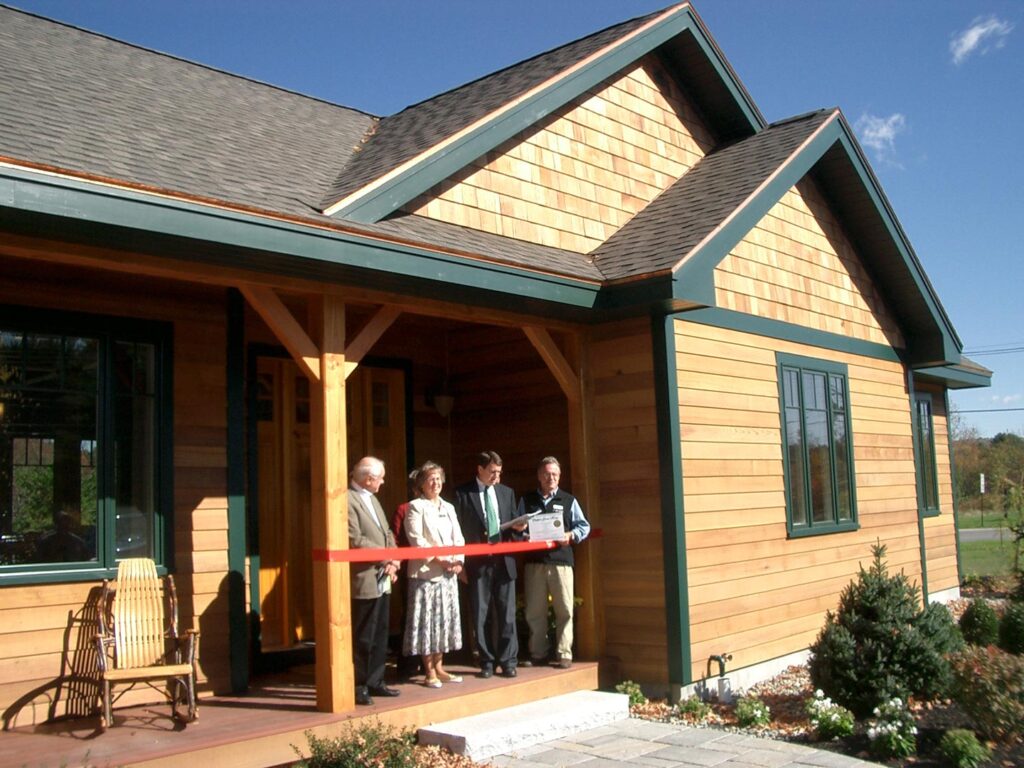
Building systems inherently support green building certification. With all design work completed before construction begins, the decision-making process shifts to the forefront, allowing for efficient planning and documentation. Points toward certification are earned through prefabrication, sustainable materials (e.g., certified wood from sustainable forests), and streamlined production processes, from factory to site assembly.
-
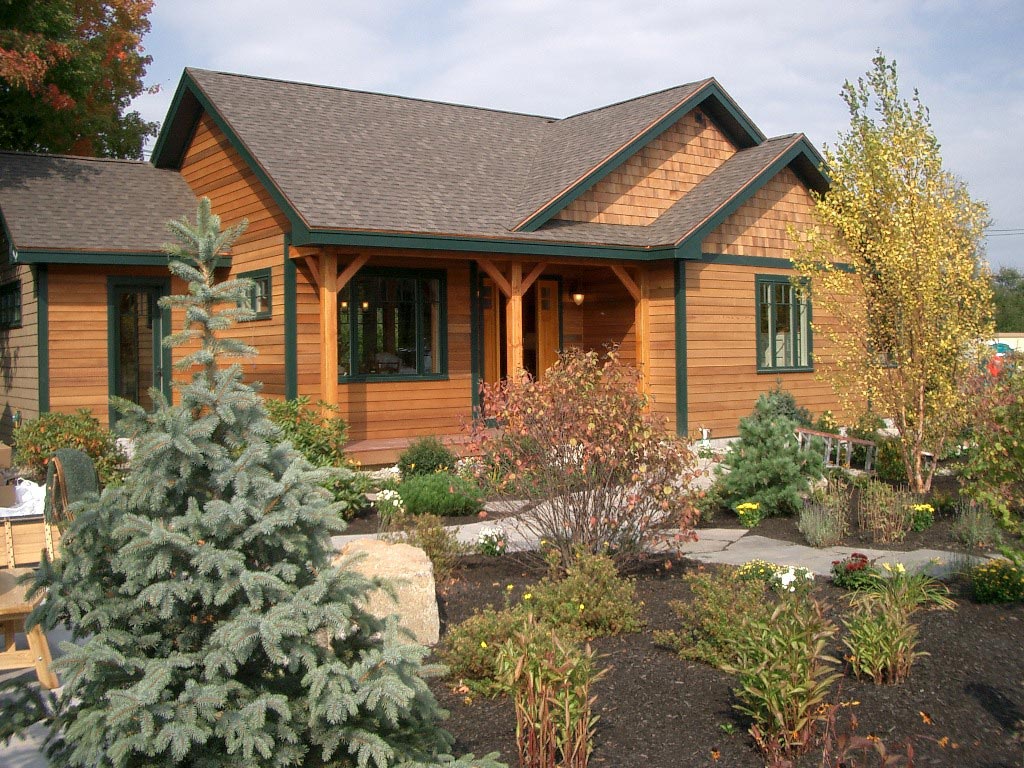
- Site Planning: A Green Priority Maximizing green benefits starts with careful site preparation. The ICC 700 Standard, Section 5, emphasizes land development practices that can earn substantial points, making a Silver certification in the National Green Building Standard (NGBS) highly attainable. Incorporating EPA programs like Energy Star, WaterSense, and Indoor airPLUS adds even more value, as does providing homeowners with an educational Owner’s Manual and construction video.
- The Key to Success: Compatibility and Certification A successful green building project hinges on using certified products and ensuring compatibility between components. This attention to detail not only supports certification goals but also creates a durable, energy-efficient home that stands the test of time. By focusing on smart planning, sustainable systems, and thoughtful design, green buildings become an accessible, affordable path to creating homes that benefit both people and the planet.
Renewable Resources
Renewable Energy: The Key to Sustainable Communities
As all-electric, net-zero homes become dominant in the housing market, renewable energy sources have become essential for community resilience and sustainability. Localized solutions like community wind farms, hydroelectric dams, and solar arrays minimize dependence on strained power grids and reduce reliance on aging infrastructure.
Advancements in energy storage technology—particularly batteries—are driving this transformation. Improvements in storage capacity, equipment durability, recycling methods, and extended warranties are making renewable systems more reliable and accessible. These innovations ensure that renewable energy systems are not only efficient but also sustainable over their entire lifecycle. A key to this strategy is to confirm that all-electric homes are connected to non-fossil fuel power sources.
For homeowners and developers exploring solar energy options, EnergySage is an excellent resource. Supported by governmental initiatives, their website provides comprehensive, up-to-date information on solar applications, helping users make informed decisions about renewable energy investments.
By embracing renewable energy and supporting cutting-edge technologies, communities can secure a greener, more self-reliant future.
Green Certification Programs
Green Products: Are they really green?
- Is the green choice truly beneficial or only transferring the burden elsewhere?
- What carbon offsets are legitimate?
- Who is certifying the material or process?
- Do the materials survive a detailed life cycle analysis assessment (LCA) for all inputs and outputs?
- Is the green choice truly beneficial or only transferring the burden elsewhere?
- Use installers who are properly certified (e.g., HVAC contractors)
- Use legitimate Green Product Certifications.
Visit Home Innovations Research Labs Green Certified Products for more on point-worthy building products for NGBS Green Certification. NGBS Green Certified Products earn a certificate that identifies the specific NGBS section(s) where points for the product are available.
The ICC-ES Environmental Programs (formerly known as SAVE®) provide manufacturers with independent and comprehensive evaluation and/or certification that their products meet specific sustainability targets. They offer the following services under the ICC-ES VAR Environmental Report and Environmental Product Declaration (EPD) Programs.
Below is a ‘Green Paper’ by TerraChoice Environmental Marketing Inc. (November 2007) reporting on Greenwashing. Enjoy.